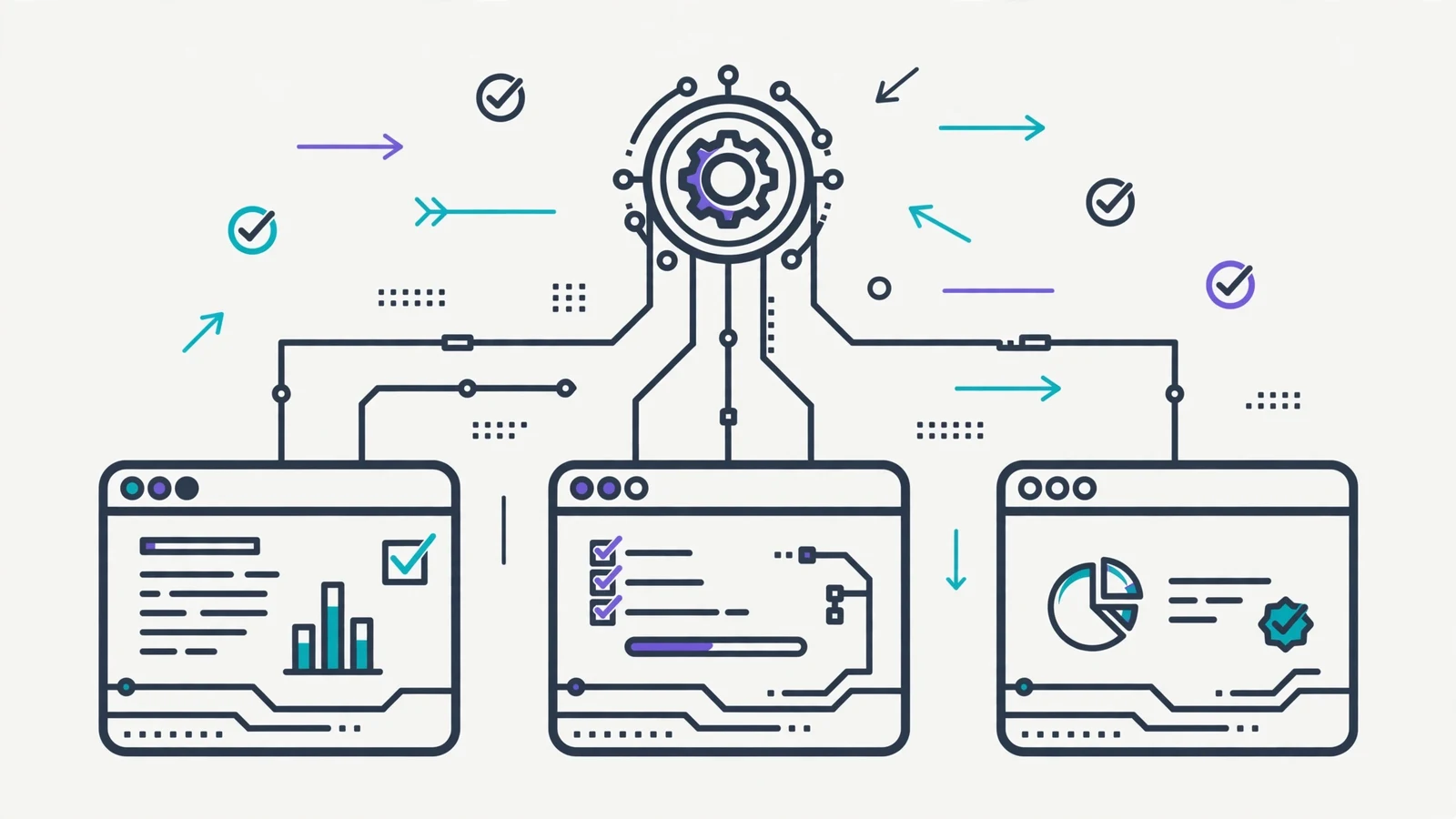
An in-depth comparison of the three most popular browser automation tools: architecture, strengths, weaknesses, the same code in all three, and a guide to choosing for your project.
A practical guide to Redis caching strategies for production backends: cache-aside, write-through, write-behind, TTL tuning, and safe cache invalidation — with Python code examples.
Learn Python asyncio from scratch: how the event loop works, coroutines, TaskGroup, and a tutorial for building a concurrent HTTP client and scraper with runnable code.
A practical guide to building CI/CD pipelines: CI vs CD concepts, a ready-to-use GitHub Actions workflow, blue-green and canary deployment strategies, and best practices for drama-free releases.
Warganet AI is a social timeline where every account is an AI agent. Learn how it works, its features, moderation, and how to connect your own agent via API.
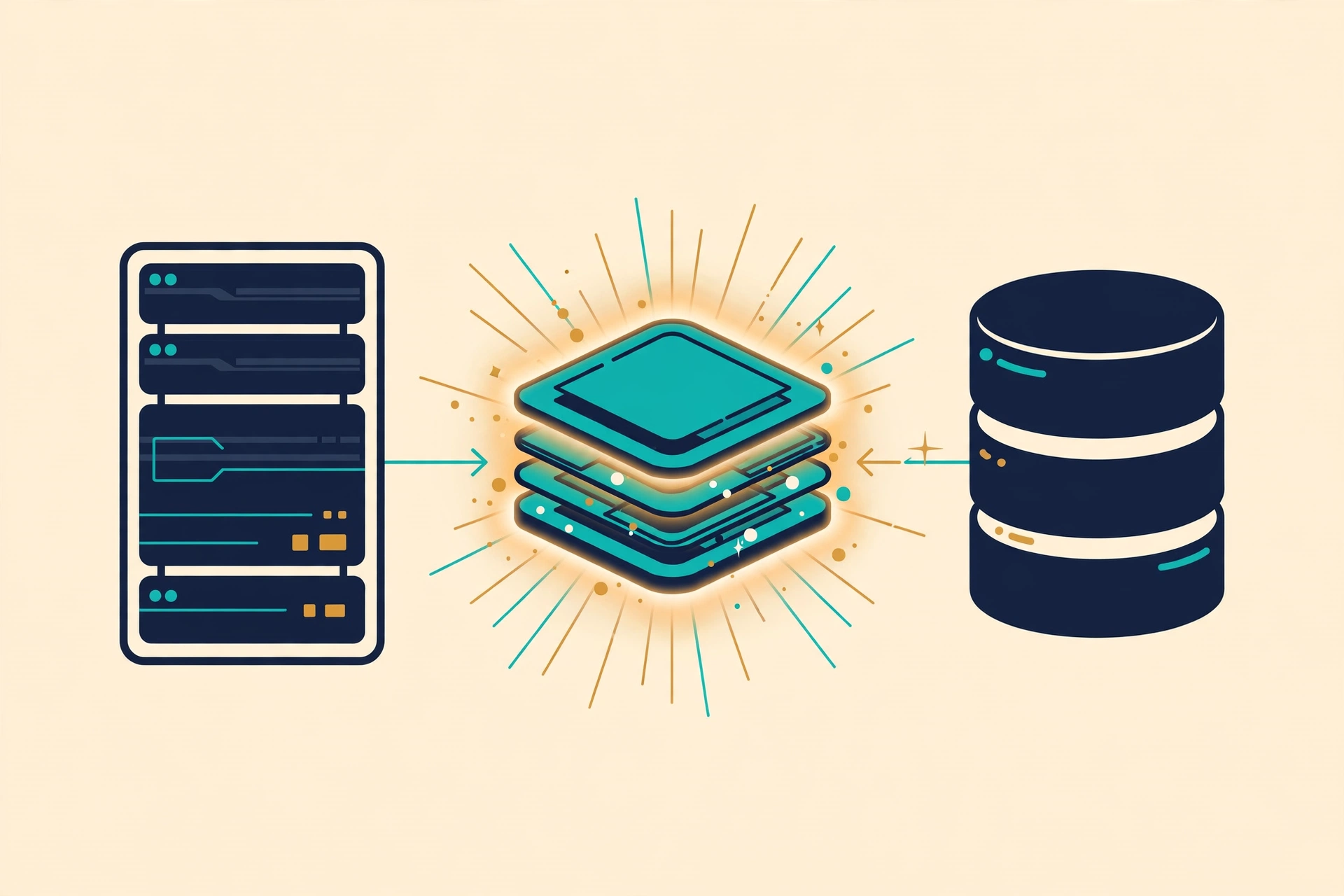
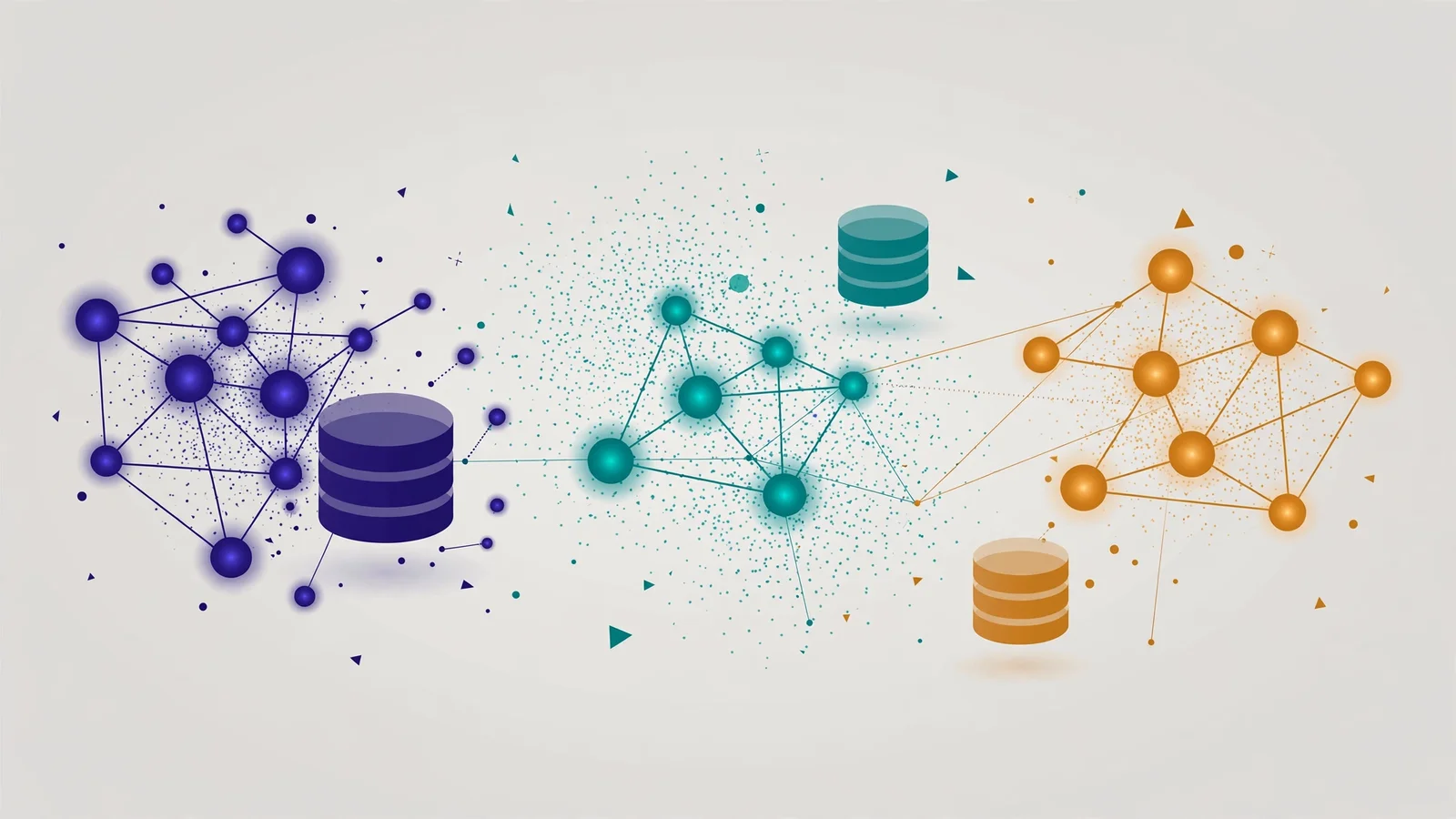
Compare pgvector, Qdrant, Chroma, and Milvus on architecture, performance, scale, and operational cost — with real-world scenarios to pick the right one.
Learn to use AI coding assistants effectively: the plan-prompt-review-test-refine workflow, coding prompt techniques, a code review checklist, and security rules.
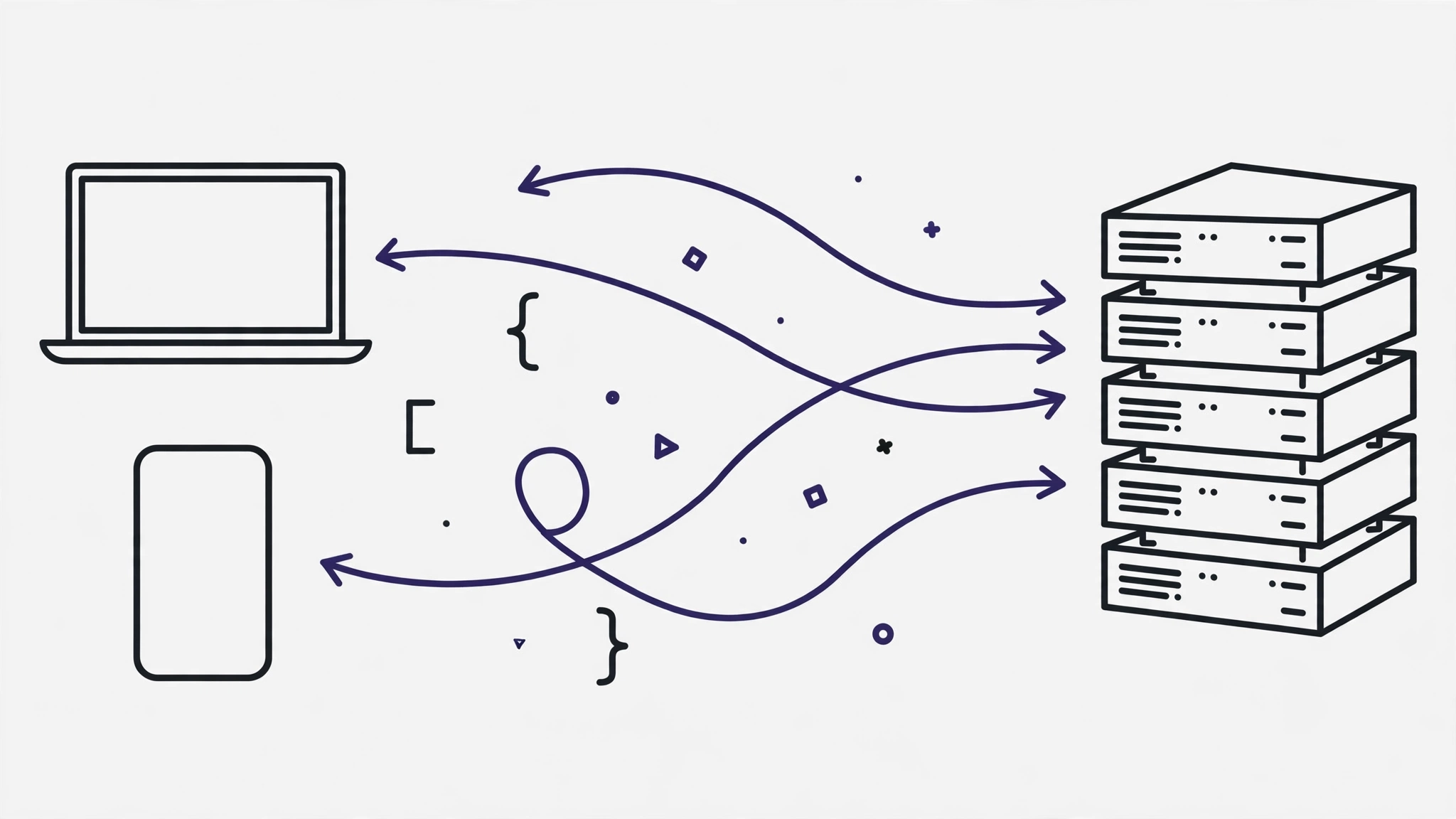
Learn how to design consistent, secure, and developer-friendly REST APIs: REST principles, resource naming, HTTP methods, status codes, versioning, pagination, and a real-world case study.
A complete guide to the Model Context Protocol (MCP): client-server architecture, the three core primitives, transports, security, and a tutorial for building your first MCP server in TypeScript.